September 4, 2026
Your roof is the first line of defense protecting your family, your belongings, and the structural integrity of your home from extreme weather. Because it is constantly exposed to harsh sunlight, freezing temperatures, heavy rains, and strong winds, wear and tear is an inevitable reality over time. Unfortunately, many homeowners operate under an out of sight, out of mind mentality when it comes to overhead maintenance. Minor issues can quietly escalate into massive structural failures, requiring expensive structural overhauls or mold remediation that could have easily been avoided with early detection. Schedule a comprehensive residential roof inspection at the first sign of damage to catch small problems before they become costly nightmares.
Many property owners wait until an active catastrophe occurs before seeking professional intervention. According to HomeAdvisor, four out of ten homeowners turn to roofing contractors for urgent roof repairs every year. This statistic highlights a common pattern: waiting for a catastrophic leak during a major storm instead of maintaining a routine inspection schedule. Emergency repairs often arrive with premium price tags, limited scheduling availability, and secondary water damage throughout the home's interior living spaces. Learning how to recognize the subtle warning signs of damage empowers you to take action early and keep repair costs manageable.
Warning Sign 1: You Notice Water Stains or Active Leaks Inside Your Home
Interior water damage is one of the most definitive indicators that your overhead protection has failed. Stains appearing on ceilings or along interior walls often start as faint, light brown or yellow discolorations. Over time, these patches widen and darken, eventually causing drywall to sag, peel, or bubble under the weight of trapped moisture. You might also notice peeling paint near ceiling corners, damp spots on attic insulation, or an persistent musty odor that persists regardless of how often you clean.
It is important to remember that water rarely travels in a straight line. Rainwater can penetrate a compromised shingle, flow along a rafters or roof truss, and drip through drywall feet away from the initial point of entry. Tracking down the precise source of an interior leak requires trained eyes and proper diagnostic equipment. Scheduling a professional residential roof inspection allows an expert to trace moisture back to its true origin, ensuring that sealant failures, flashing gaps, or underlayment damage are resolved completely before toxic mold takes root inside your walls.
Warning Sign 2: You Find Damaged, Curling, or Missing Shingles
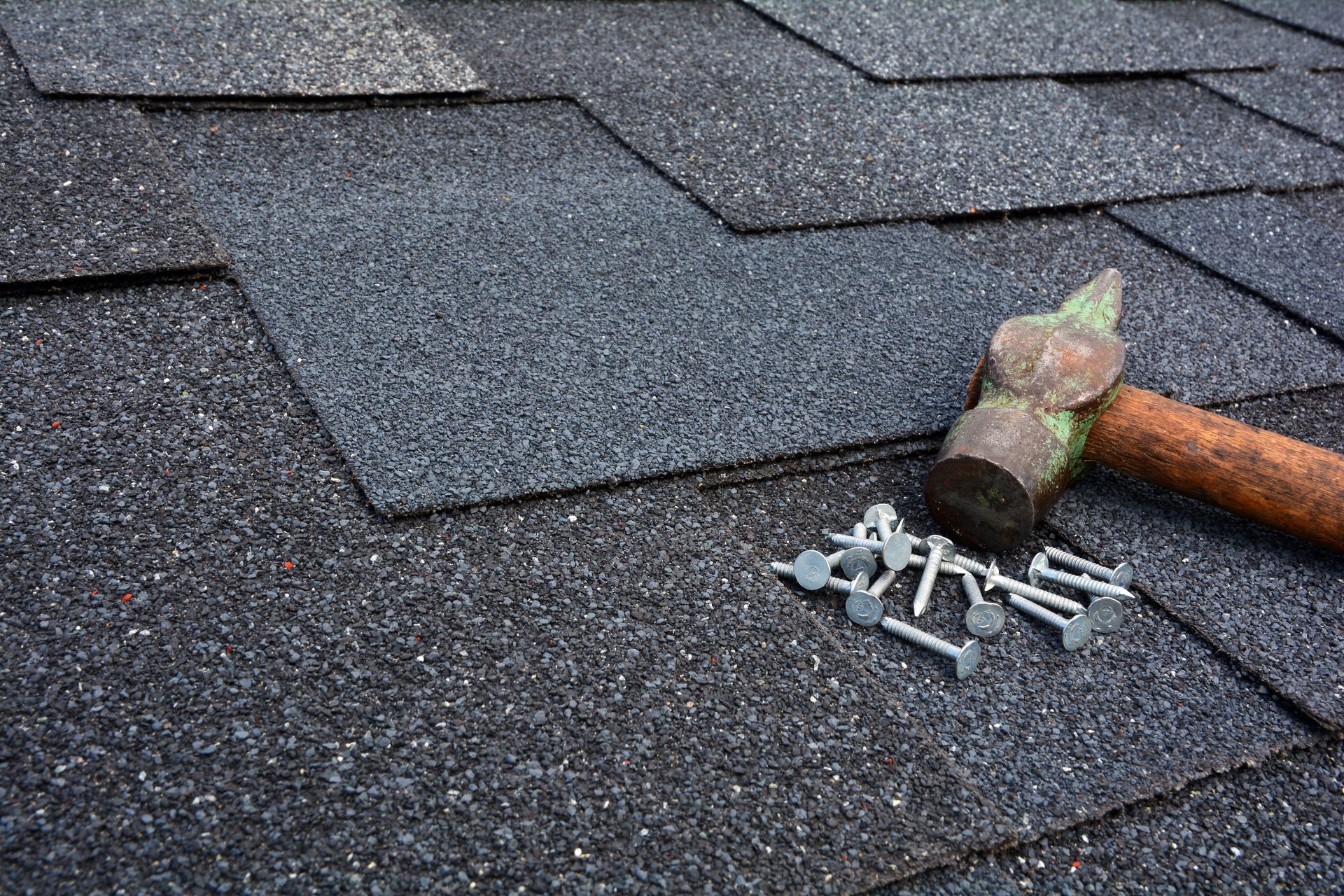
A visual assessment from the ground can reveal significant information about the health of your asphalt shingles. Healthy shingles lay completely flat against the deck, creating a uniform, continuous barrier against the elements. When shingles begin to reach the end of their operational lifespan, they exhibit noticeable physical degradation. You may spot individual shingles that are curling at the edges, cupping in the center, cracking across their surfaces, or missing entirely after a heavy windstorm.
When a shingle curls or breaks away, the underlying wood deck and water-resistant underlayment become directly exposed to wind, rain, and destructive ultraviolet rays. Once the protective outer barrier is breached, rot can set in surprisingly fast. Replacing a single torn or missing shingle is a quick fix, but widespread curling or cracking across multiple slopes often indicates systemic material failure across the whole surface. Arranging a residential roof inspection provides a complete picture of whether spot repairs will suffice or if the materials are failing as a whole.
Warning Sign 3: You See an Accumulation of Granules in Your Gutters
Asphalt shingles are covered with a protective layer of mineral granules. These tiny stone particles serve a critical purpose: they shield the underlying asphalt core from damaging UV radiation, add weight to help shingles resist wind uplift, and provide crucial fire resistance. During the first year after a new installation, shedding a small amount of loose granules is completely normal. However, if an older roof starts shedding significant quantities of granules, it is a clear symptom that the asphalt bonding agent is drying out and breaking down.
You will typically discover this issue while cleaning out your gutters or checking your downspouts after a heavy rain shower. High concentrations of coarse, sand-like debris lining the bottom of gutter troughs mean your shingles are rapidly losing their protective armor. As granules wash away, bare asphalt becomes exposed to intense sun exposure, accelerating cracking, brittleness, and eventual roof leakage. Requesting a thorough residential roof inspection helps determine how much granular loss has occurred and how many functional years your current materials have remaining.
Warning Sign 4: You Spot Compromised Flashing Around Roof Penetrations
Roofing flashing consists of thin strips of galvanized steel, aluminum, or copper installed around joints, valleys, chimneys, skylights, and vent pipes. Its sole job is to direct water away from high-risk seams where different building structures meet. Because these areas experience significant expansion and contraction through changing temperatures, flashing is naturally one of the most common failure points on any structure. Over time, caulking dries out, rust eats through metal strips, and heavy winds can pry flashing away from vertical walls.
Damaged, rusted, or loose flashing allows water to seep directly underneath adjacent shingles and flow along the underlying deck structure. Moisture entering around a chimney or plumbing stack can quietly rot internal framing long before water stains become visible on your living room ceiling. A specialized residential roof inspection includes a close examination of every seam, flashing strip, and sealant line on your property. Identifying dried caulking or bent metal early prevents concealed water intrusion from causing thousands of dollars in hidden structural damage.
Warning Sign 5: You Observe a Sagging Roofline or Structural Drooping
A sagging roofline is an urgent structural emergency that demands immediate professional assessment. When you step back and view your home from across the street, the ridge line should appear completely straight and level, and the slopes should be crisp and flat. If you notice visible dipping, curvature, or localized sagging along the ridge or between rafters, the underlying support framing has been severely compromised.
Roof sagging is typically caused by long-term, unaddressed water infiltration that has rotted the plywood decking, trusses, or support rafters. It can also stem from excessive weight loads, such as packed snow and ice, or incorrect initial installation techniques. Allowing a sagging roof to go unaddressed puts your entire home at risk of major structural collapse. Booking a prompt residential roof inspection allows structural experts to evaluate the extent of the damage, identify the underlying cause of failure, and outline the necessary stabilization steps required to keep your property safe.
Protecting Your Investment with Timely Action
Your home is likely one of the largest financial investments you will ever make, and keeping a solid roof over your head is essential to preserving its value. While it is easy to ignore minor shingle discoloration or put off inspecting dark attic spots, proactive maintenance always costs significantly less than reactive emergency repairs. Recognizing these five primary warning signs gives you the advantage of early detection.
Partnering with licensed professionals for a comprehensive residential roof inspection ensures every inch of your roof—from shingles and flashing to gutters and internal decking—is thoroughly evaluated for safety and performance. Taking action at the first sign of damage protects your structural framing, preserves interior living spaces, and gives you lasting peace of mind regardless of the weather outside. Don't wait for minor damage to turn into an expensive disaster; contact Phoenix Contracting of SWFL, LLC today to schedule your comprehensive residential roof inspection and ensure your home stays fully protected.